Blog
2026-11-16
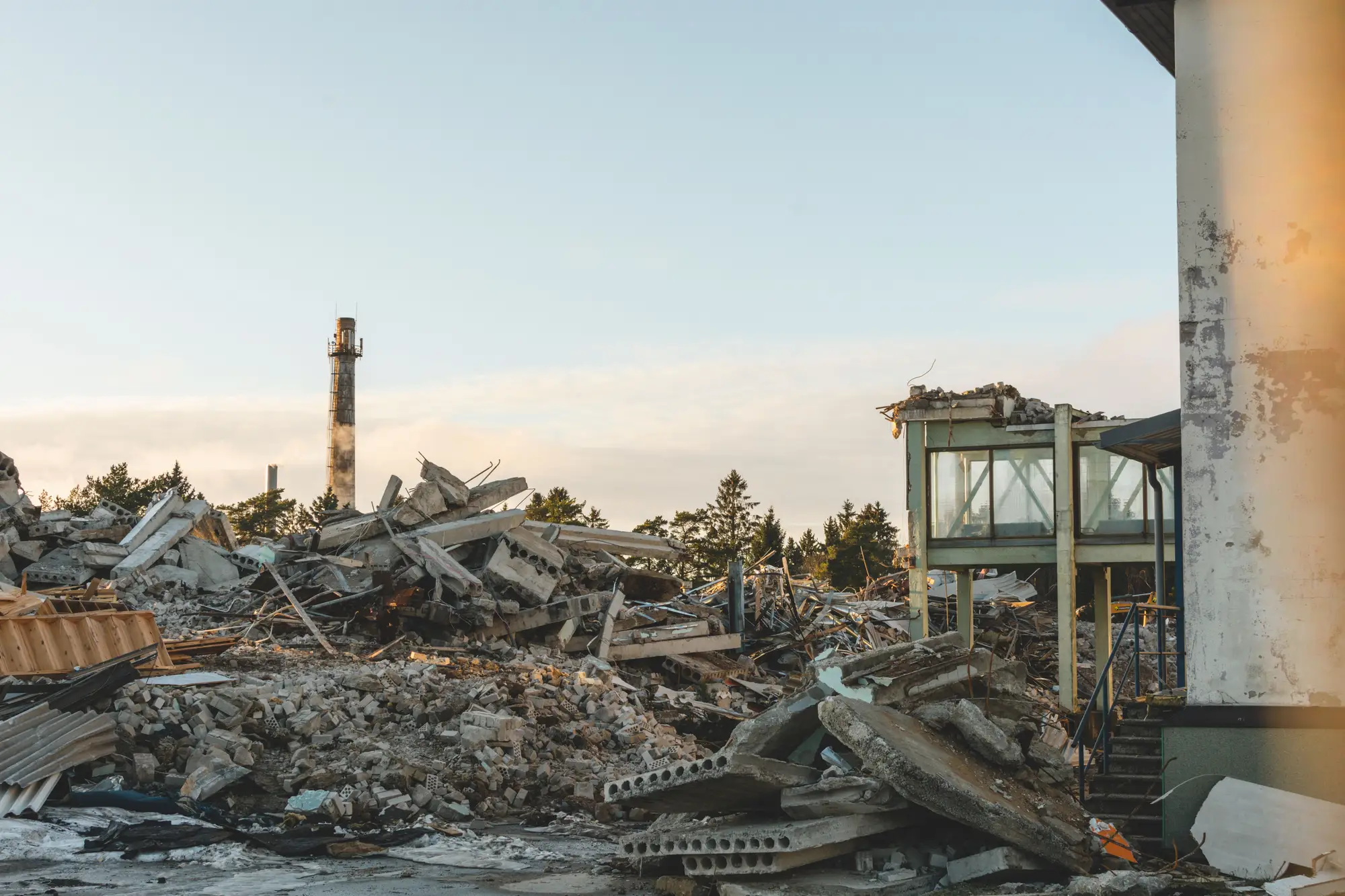 Field notes: the courtyard wall that graded destroyed, the building behind it didn't
A single compound strike shows why a perimeter wall and the structure behind it need separate grades, not one blended call on the imagery.
2026-11-16
 How to read a five-level damage grade scale for post-strike assessment
A walkthrough of the five-level damage grade legend used in post-strike BDA, structure by structure, for re-strike decisions.
2026-11-09
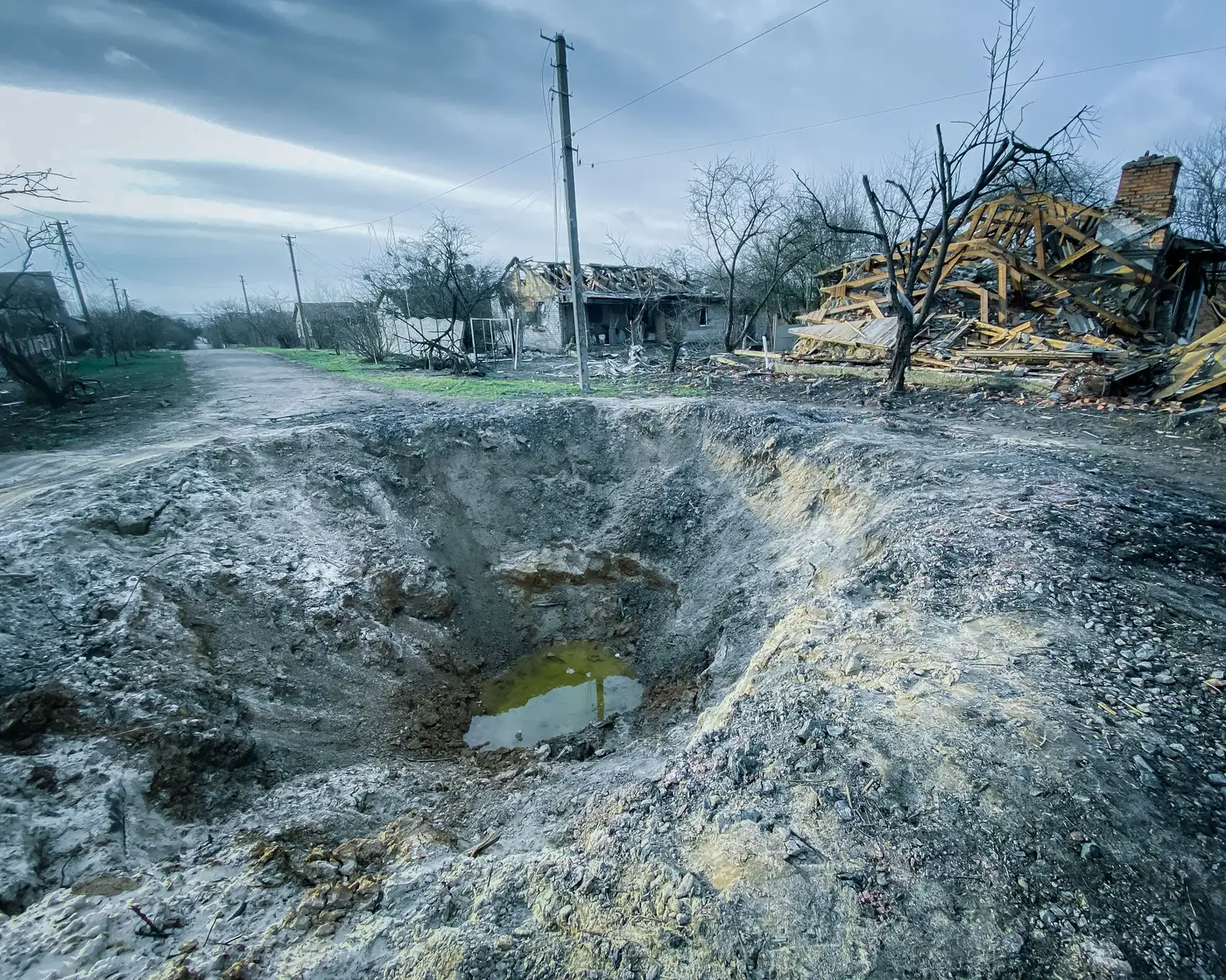 Estimating munition yield from crater diameter in post-strike imagery
How analysts measure crater diameter in VHR post-strike imagery and what that measurement can and can't tell you about yield.
2026-11-09
Target folder vs. battle damage assessment report: what's the difference?Target folders set up a strike. BDA reports close it out. Here's what goes in each and why planning officers need both.
2026-11-02
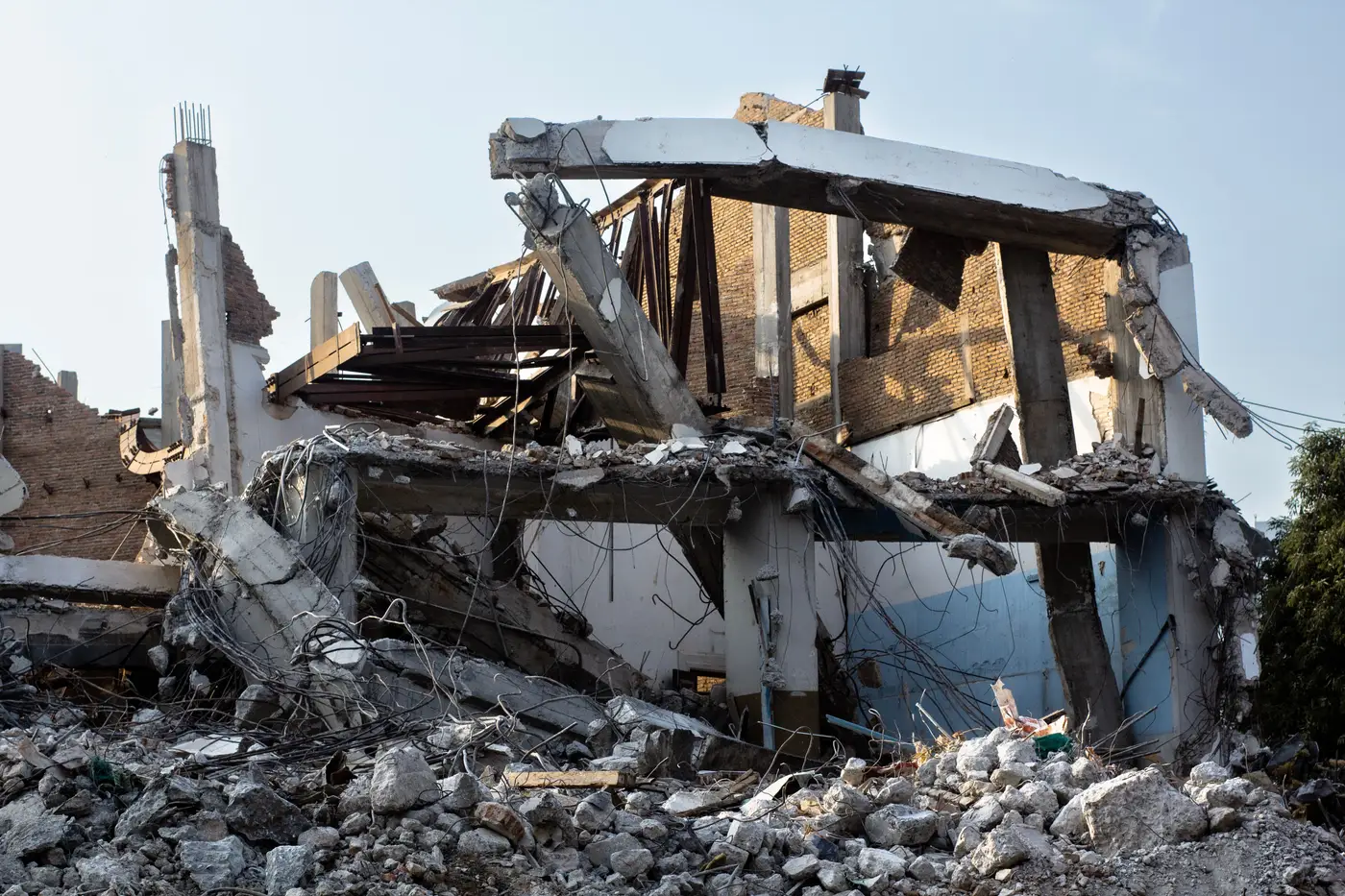 Field notes: the hangar that looked intact until the second pass
A roof can read undamaged for a day and come down on its own. Notes on why imagery timing matters more than imagery resolution for BDA.
2026-11-02
 No-strike list vs. battle damage assessment: what's the difference?
A no-strike list and a battle damage assessment sit at opposite ends of the targeting cycle. Here's what each one does and why mixing them up is costly.
2026-10-26
How to read shadow length to confirm roof collapse in satellite imageryHow to measure shadow length and sun angle across before/after VHR imagery to confirm roof collapse ahead of a re-strike call.
2026-10-26
 Strike package definition: what sets the order a re-strike tasking runs in
A strike package sets the original plan. Here's what determines the order the re-strike tasking runs in once the strike is flown.
2026-10-19
Field notes: the six hours between the strike and the pass that matteredA field-notes look at the wait between weapons-away and the first usable BDA pass, and why that gap decides the re-strike call.
2026-10-19
Weaponeering vs. battle damage assessment: where the two splitWeaponeering predicts strike effects before the fact. BDA grades what happened after the fact. Here's where the two diverge at the planning table.
2026-10-14
CDE vs BDA: what's the actual differenceCDE and BDA get used interchangeably, but one predicts harm before a strike and the other grades effect after it. Here's the actual difference.
2026-10-14
DMPI explained: why the aimpoint decides your re-strike callWhat a desired mean point of impact is, how it differs from the target as a whole, and why re-strike decisions live or die on it.
2026-10-13
Confirmed, probable, or possible: how BDA confidence calls actually workWhy a damage assessment gets labeled confirmed, probable, or possible, and what each tier should (and shouldn't) drive on a re-strike decision.
2026-10-13
How to tell a decoy from a destroyed target in satellite imageryHow to separate a real post-strike kill from a decoy or staged damage in VHR optical imagery, using shadow, debris, and repeat-pass tells.
2026-10-07
How long after a strike until imagery is usable?What controls imagery turnaround time after a strike: satellite revisit, cloud cover, and tasking priority, and how it shapes a re-strike call.
2026-10-07
Mission kill vs catastrophic kill: what the imagery can and can't tell youA field guide to mission kill and catastrophic kill definitions, and the hard limits of what before/after optical imagery proves.
2026-10-07
MEA vs BDA: what each one tells a planning cellBDA grades one target after one strike. MEA tracks munition performance across many. How the two feed each other and which one a re-strike call needs.
2026-10-07
Physical vs functional damage assessment: phase 1 and phase 2 explainedPhase 1 structural grading vs phase 2 functional assessment in BDA, and why conflating them weakens the re-strike call.